AI and Log Files The Unfiltered Truth About How Bots See Your Website
AI Summary
Understanding how AI and log files interact is essential for technical SEO to improve website visibility in AI-driven search environments. This article explores the role of server log files as the definitive record of site interactions, the differences between traditional crawlers and new AI bots, and how AI enhances log analysis to provide actionable SEO insights.
Who: Technical SEOs and website owners aiming to optimize for AI-driven search
What: Leveraging AI to analyze server log files and understand bot behavior
When: In the current era of increasing AI-powered search and evolving crawlers
Where: Across websites and digital spaces impacted by AI and machine-driven indexing
Why: To gain unfiltered insights into bot activity, optimize crawl budget, fix errors, and future-proof SEO strategies
You have spent countless hours optimizing your website. You follow all the SEO best practices, create excellent content, and your analytics look promising. But here is a question you might not be able to answer: how do you know what search engine bots and new AI agents actually do when they visit your site?
Tools like Google Search Console provide a helpful summary. Site crawlers offer a simulation of how a bot might see your pages. Your server log files, however, tell the unfiltered truth. They are the only definitive record of every single interaction with your site. In an era of AI Overviews and generative search, understanding this raw data is no longer a luxury for technical SEOs; it is a necessity.
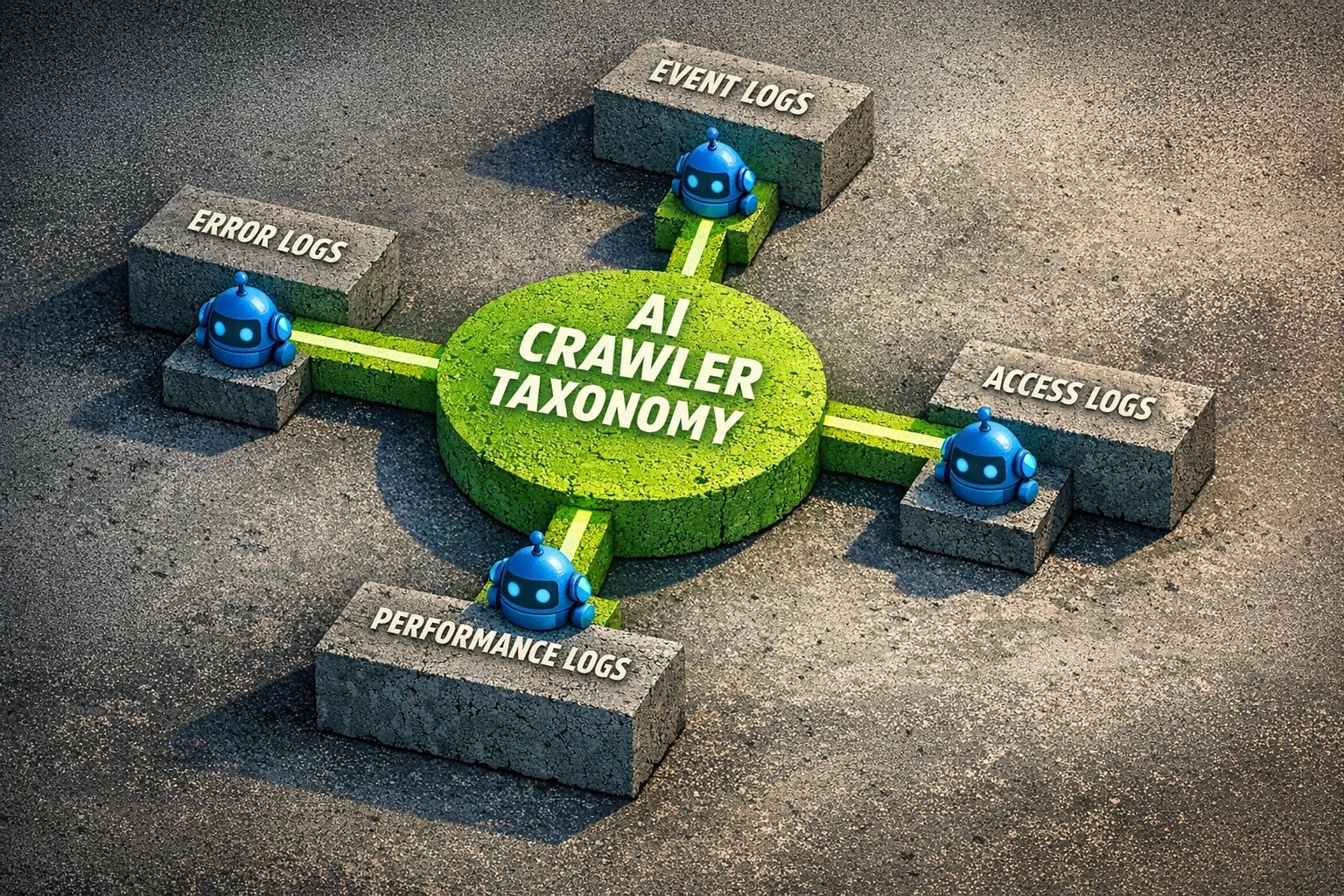
What Are Log Files and Why Do They Matter Now More Than Ever?
At its core, a server log file is a simple text file. It is an automated diary kept by your web server that records every single request it receives. This includes visits from human users, traditional search engine crawlers like Googlebot, and the growing number of AI bots.
This is the "aha moment" for many. While other tools give you an interpretation, log files show you precisely what happened. They reveal which pages were requested, how often, by which user agent, and what the server's response was.
This unfiltered view has become critical because the digital landscape is changing. The rise of AI-powered search means a whole new class of bots is interacting with your content for different reasons. Understanding their behavior is the key to optimizing for the future of search.
Meet the New Crawlers: Understanding the AI Bot Ecosystem
Not all bots are created equal. For years, the primary focus was on Googlebot and its mission to index the web for traditional search. Today, the neighborhood is much more crowded.
Here are a few of the new AI agents you might see in your logs:
- GPTBot: This is OpenAI's web crawler. It collects data from the web to help train future AI models like GPT-5. Its goal is data acquisition for model training.
- PerplexityBot: This bot powers the Perplexity AI answer engine. It crawls the web to find and synthesize information to answer user queries in real time. Its goal is information retrieval for direct answers.
- Google-Extended: This is a separate user agent from Google that is used to gather data for generative models, including what might appear in AI Overviews.
Recognizing the difference is vital. Some bots are there to learn from your content to build their general knowledge. Others are there to fetch specific information that could be used in an AI-generated answer, potentially sending traffic your way. Analyzing their distinct behaviors in your log files allows you to build a more sophisticated SEO strategy.
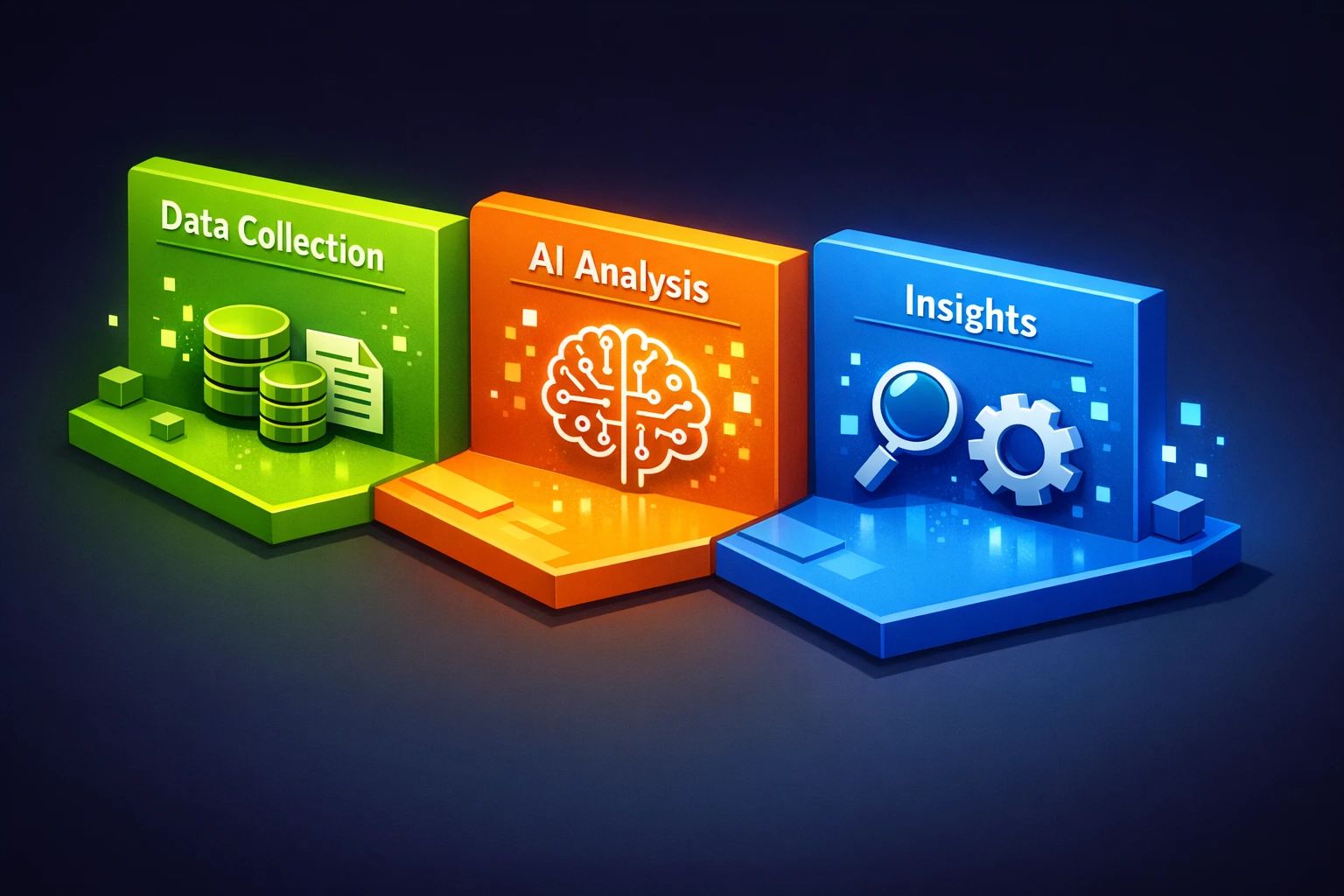
From Raw Data to Actionable Strategy: The AI-Powered Log Analysis Workflow
A single log file can contain millions of lines of text. Manually sifting through this data is nearly impossible. This is where AI becomes your most powerful ally, transforming a mountain of raw data into clear, actionable insights. The workflow is straightforward.
Phase 1: Collection and Preparation
First, you need to get your hands on the log files. These are typically available from your hosting provider or Content Delivery Network (CDN). Once you have the data, it needs to be cleaned and formatted so an AI tool can process it effectively.
Phase 2: AI-Powered Pattern Recognition
This is where the magic happens. AI-driven log analysis tools can process millions of log entries in minutes to:
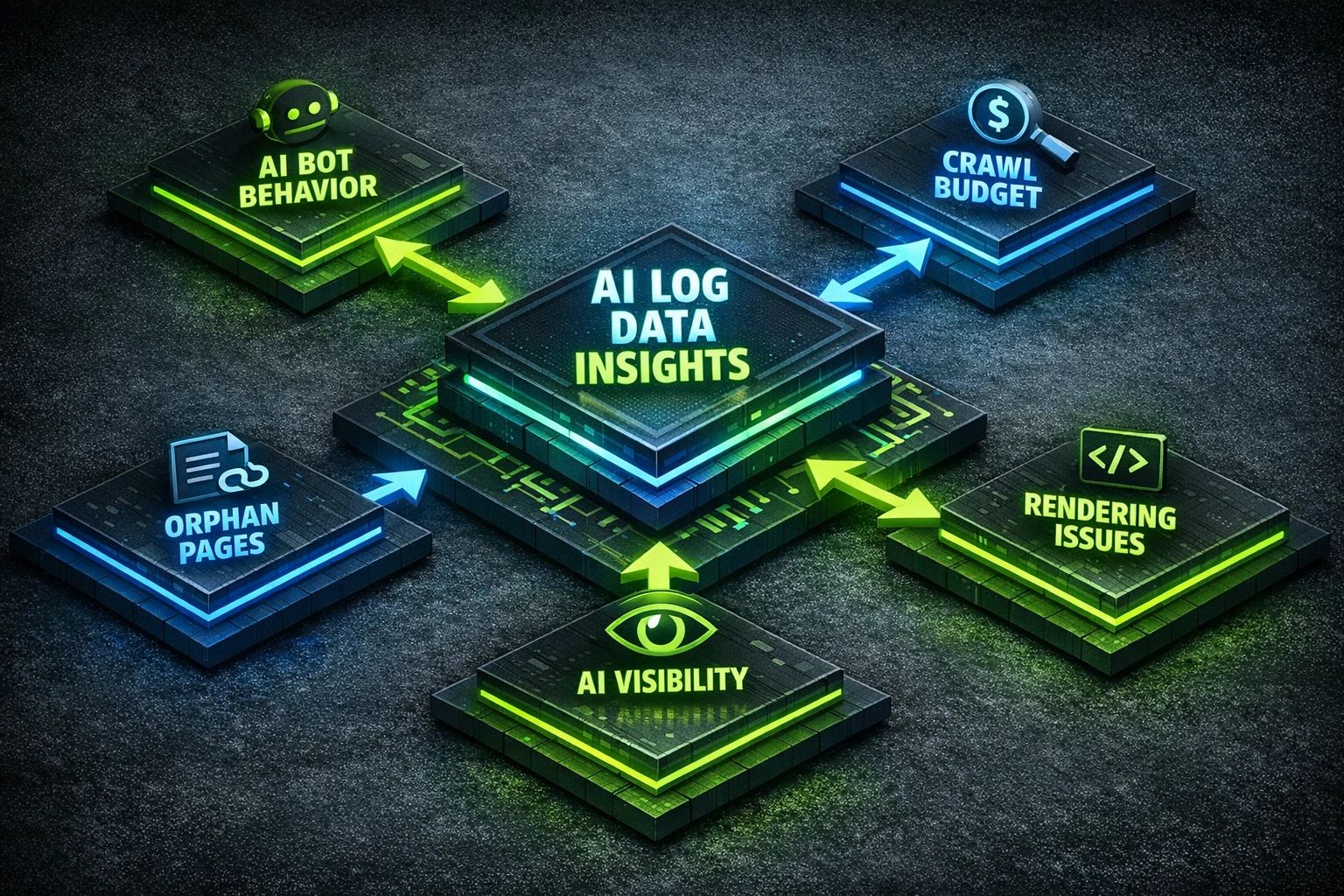
- Identify and Segment Bots: The software automatically separates traffic from humans, traditional crawlers, and specific AI agents.
- Detect Anomalies: AI is brilliant at spotting unusual patterns. For example, it can flag a sudden spike in 404 "Not Found" errors from a specific AI bot, indicating a significant crawl issue you might otherwise miss.
- Analyze Behavior: It reveals the crawl frequency, depth, and priority for different sections of your site, showing you what content different bots value most.
Phase 3: Turning Insights into Action
With these patterns identified, you can make strategic decisions to improve your site's technical health and visibility in AI-driven search.
- Optimize Your Crawl Budget: Log analysis reveals if bots are wasting precious crawl time on low-value pages like outdated articles or messy URL parameters. By fixing these issues, you can guide bots toward your most important content, increasing the chances it gets included in
llm‑indexed pages. - Uncover Hidden Technical Errors: You might discover that a specific AI bot struggles with your website's JavaScript, preventing it from seeing your full content. Log files provide the evidence needed to diagnose and fix these rendering problems.
- Find and Fix Orphan Pages: Sometimes, valuable pages exist on your site with few or no internal links pointing to them. Log analysis can show you which pages are rarely or never crawled. A dedicated
ai internal linking agentcan then be used to build logical connections and ensure these orphan pages are discovered.
Advanced Strategies: Future-Proofing Your Site in the AI Era
Mastering AI-driven log analysis goes beyond just fixing errors. It is about building a proactive strategy for how your content is consumed by machines.
Strategically Control AI Access
Your robots.txt file is a powerful tool for controlling bot access. Based on your log file analysis, you can make informed decisions about which AI bots you want crawling your site. You might allow bots that cite sources and drive traffic while blocking those that only scrape data for model training. This is a critical aspect of content governance and protecting your intellectual property.
Connect the Dots for a Holistic View
Log file data is powerful on its own, but it becomes even more so when combined with data from Google Search Console and your website analytics. Correlating these datasets gives you a complete picture of your digital presence. When you ask questions like, "what tools show which brand narratives resonate and are retained by ai engines?," the answer often starts with understanding the foundational bot interactions revealed in your logs.
Remember the Human Element
AI tools are incredible for processing data, but human expertise is essential for strategy. Your judgment is needed to interpret the findings, prioritize fixes, and align technical SEO with broader business goals. The foundation of eeat in era ai is built on demonstrating expertise and trustworthiness, and a technically sound website is a crucial signal of that credibility. AI enhances your expertise; it does not replace it.
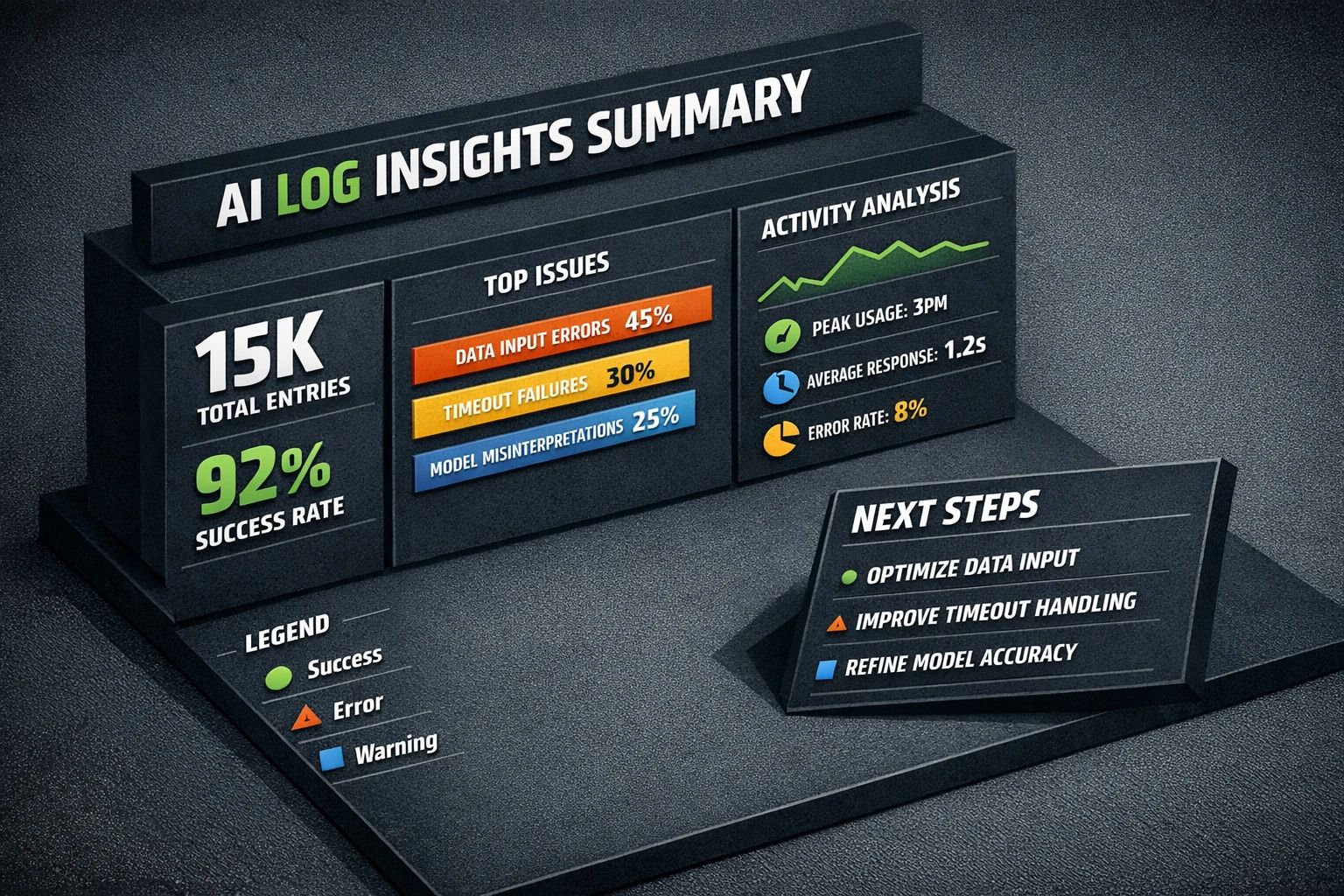
Your Path Forward
Leveraging AI for log file analysis is no longer an obscure technical task. It is a core competency for anyone serious about optimizing for the next generation of search. By treating your log files as the ultimate source of truth, you can move from making educated guesses to data-driven decisions. You can ensure your website is not just friendly to users, but also perfectly accessible and understandable to the AI agents that are shaping the future of information discovery.
Frequently Asked Questions
What is log file analysis in SEO?
Log file analysis is the process of reviewing the raw data logs from a web server to understand how search engine bots and other agents interact with a website. It provides direct evidence of crawl behavior, errors, and opportunities for technical optimization.
What's the difference between a traditional crawler and an AI bot?
A traditional crawler, like Googlebot, primarily crawls the web to index content for search engine results pages. Newer AI bots, like GPTBot or PerplexityBot, may crawl for different reasons, such as training large language models or retrieving information to generate direct answers for users.
Can I do log analysis without AI?
Yes, but it is extremely difficult and time consuming for all but the smallest websites. Log files can contain millions of lines of data, and manually identifying meaningful patterns is impractical. AI tools automate this process, quickly surfacing critical insights.
How often should I analyze my log files?
For most businesses, a monthly analysis is a good starting point to spot trends and major issues. During a site migration, redesign, or after a major algorithm update, you should conduct more frequent analysis, perhaps weekly or even daily, to monitor bot behavior closely.
What are the most common issues found in log files?
Common issues include spikes in 4xx errors (like 404 Not Found), which indicate broken links or removed content, and 5xx server errors, which signal server problems. Other key findings include crawl budget waste on unimportant pages, redirect chains, and discovering valuable pages that are not being crawled at all.
Is it safe to block all AI bots?
Blocking all AI bots is a significant strategic decision. While it might prevent your content from being used for model training without your permission, it could also prevent you from appearing in AI-driven answer engines that cite their sources and can drive traffic. It is better to analyze which bots are visiting and make selective decisions based on your business goals.